Somatic Breathwork for Stress Relief in Retirement

What is “Somatic” Breathing?

The word somatic comes from the Greek word soma, meaning “body.”1 In the context of retirement, somatic breathwork is the practice of using conscious breathing to scan for, identify, and release physical manifestations of stress—such as a tight chest, a “knot” in the stomach, or clenched jaws.

As we age, our breathing patterns often become shallow and “vertical” (shoulders moving up and down) rather than “horizontal” (the ribcage expanding outward). This shallow breathing keeps the sympathetic nervous system in a state of low-grade “fight or flight.”2 Somatic breathwork retrains the diaphragm to facilitate a deeper, more therapeutic exchange of oxygen and carbon dioxide.

The Three Pillars of Somatic Practice for Seniors

  1. Interoception: Developing the ability to feel what is happening inside your body. Instead of saying “I am stressed,” a somatic breather might say, “I feel a heavy warmth in my solar plexus.”
Read More
Natural Remedies for Postmenopausal Sleep Disturbances and Insomnia

The Biological “Why”: The Hormone-Sleep Connection

During postmenopause, the drastic drop in progesterone—a natural thermoregulator and anxiolytic—is the primary culprit behind light, fragmented sleep. Simultaneously, lower estrogen levels contribute to nighttime temperature spikes (hot flashes) and can lead to “sleep-disordered breathing,” such as mild apnea or snoring.

The goal of natural remedies isn’t just to “knock you out” but to stabilize the environment and the internal chemistry that allows for deep, restorative REM and slow-wave sleep.

1. Herbal Support: Nature’s Anxiolytics

When looking for herbal remedies, focus on those that support the nervous system without causing morning grogginess.

  • Valerian Root: Often called “Nature’s Valium,” Valerian has been studied specifically in postmenopausal women. Research suggests it can improve sleep quality without the side effects of sedative drugs by increasing GABA levels in the brain.
  • Passionflower: This herb is particularly effective for those who suffer from a “busy brain” or anxiety-induced
Read More
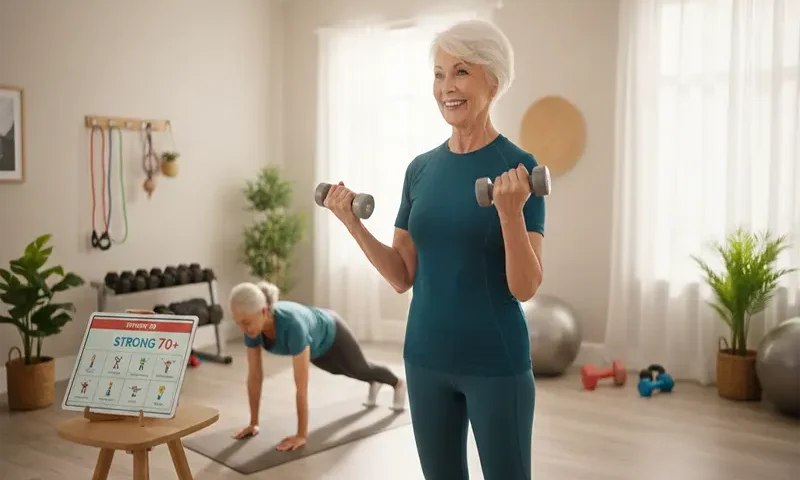
Strength Training Routines to Prevent Sarcopenia in Women over 70

The Biological Reality: Why Strength is Non-Negotiable

Starting around age 50, muscle mass begins to decline at a rate of about 1–2% per year. By age 70, this process can accelerate. This decline is often accompanied by “dynapenia,” or the loss of muscle power and strength.

For women, the post-menopausal drop in estrogen further complicates muscle protein synthesis. Strength training acts as the primary intervention, sending a signal to the nervous system and the endocrine system that the muscle tissue is still “required,” thereby triggering repair and growth.

The Three Pillars of Senior Strength

To effectively combat sarcopenia, a routine must focus on three specific elements:

  1. Multi-Joint Movements: Exercises that use more than one joint (like a squat) provide the most “bang for your buck.”
  2. Progressive Overload: You must gradually increase the resistance. If the weight doesn’t feel challenging by the last two reps, it isn’t heavy enough to stimulate
Read More
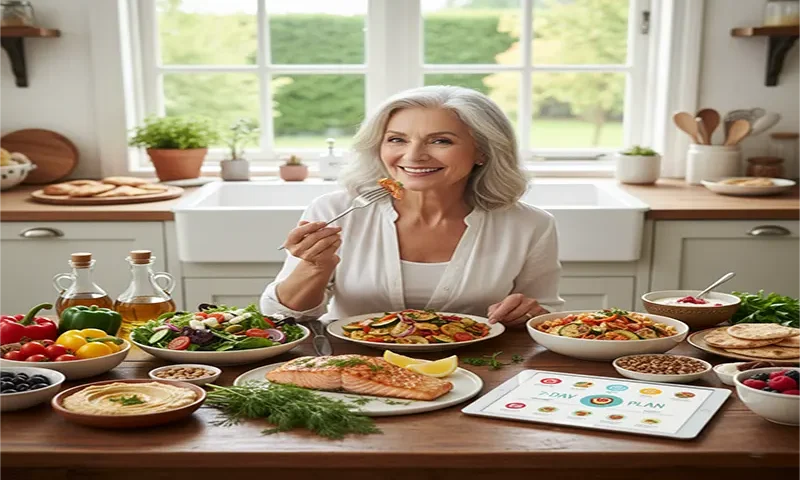
Anti-Inflammatory Mediterranean Diet Meal Plan for Older Women

Why the Mediterranean Diet for Women 60+?

As estrogen levels remain low post-menopause, women face a higher risk of bone density loss and heart disease. The Mediterranean approach focuses on Phytochemicals and Omega-3 fatty acids, which act as natural “fire extinguishers” for internal inflammation.

Key benefits include:

  • Bone Health: High intake of leafy greens and nuts provides calcium and magnesium.
  • Heart Protection: Monounsaturated fats from olive oil improve cholesterol profiles.
  • Cognitive Longevity: The diet is linked to a lower risk of Alzheimer’s and cognitive impairment.

The Anti-Inflammatory “Power Players”

To maximize the benefits, focus on these four categories every day:

  1. Extra Virgin Olive Oil (EVOO): Contains oleocanthal, a compound with a similar anti-inflammatory effect to ibuprofen.
  2. Fatty Fish: Salmon, sardines, and mackerel provide EPA and DHA to protect joints and the brain.
  3. Leafy Greens: Spinach, kale, and Swiss chard are packed with Vitamin K to support bone density.
Read More
Best Cognitive Training Apps for Brain Health in Seniors

1. Lumosity: The Gold Standard for Variety

Lumosity remains the most recognized name in the industry for a reason. With over 100 million users, it offers a massive library of 50+ games designed by neuroscientists to target memory, speed, and problem-solving.

  • The Science: Lumosity focuses on “neuroplasticity”—the brain’s ability to form new neural connections.
  • Best Feature: The Lumosity Performance Index (LPI). It allows you to track your progress over time and compare your “brain age” with others in your demographic.
  • Senior Appeal: The interface is colorful and intuitive, making it a great entry point for those who aren’t tech-experts.

2. BrainHQ: The Clinically Validated Choice

If you are looking for the app with the most rigorous scientific backing, BrainHQ is it. Created by Posit Science, it features exercises used in over 100 peer-reviewed clinical trials.

  • The Science: It uses a process called “Double Decision” training, which has been shown
Read More